
When “Gentle” Isn’t Gentle Enough: Understanding Sensitive Skin in Children
What causes redness, itching, and post-bath stinging — and what parents can do to stop the cycle.
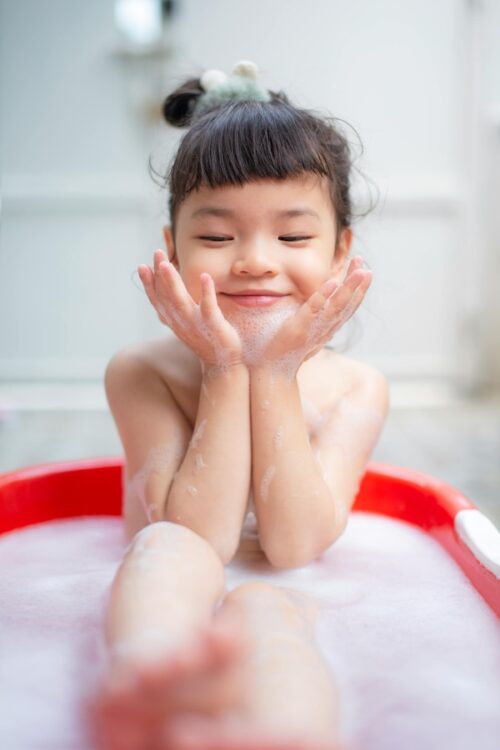
If you’ve ever watched your child step out of the bath scratching their arms, cheeks flushed and tight, asking, “Why does my skin feel funny?”, you know how quickly “just a little dryness” can turn into a daily struggle. Sensitive skin in children isn’t just a cosmetic issue — it can affect sleep, confidence, focus at school, and even what clothes they feel comfortable wearing. And for many families, it becomes a frustrating cycle of trial and error with products that promise “gentle” but still sting.
The truth is, children’s skin is biologically different from adult skin. It’s thinner, has a less mature barrier function, and loses moisture more easily. That makes it more vulnerable to environmental triggers and irritating ingredients.
What Causes Sensitive Skin in Children?
Sensitive skin isn’t a single diagnosis. It’s a symptom — and several factors can contribute:
A developing skin barrier. Children naturally have a more permeable skin barrier. This means water escapes more easily (leading to dryness) and irritants can penetrate more readily.
Genetics and family history. A family history of eczema, asthma, or allergies increases the likelihood of reactive skin.
Harsh cleansers. Many conventional body washes contain sulfates or other surfactants designed for deep cleansing. While very effective at removing dirt, they can also strip natural lipids that protect the skin.
Fragrance and preservatives. Fragrance (even “natural fragrance”) is one of the most common causes of irritation in personal care. Certain preservatives can also trigger stinging or redness in susceptible children.
Environmental stressors. Cold winter air, chlorine from pools, sweat, and even frequent handwashing can disrupt the skin barrier.
Signs Your Child May Have Sensitive Skin
- Redness after bathing
- Stinging when lotion is applied
- Dry, flaky patches
- Itchiness without visible rash
- Rough texture on arms or cheeks
If symptoms are persistent, severe, or accompanied by cracking or oozing, it’s important to consult a pediatrician or dermatologist to rule out eczema or other conditions.
What Actually Helps?
Instead of treating sensitive skin aggressively, parents need to support and protect the skin barrier. Here are some recommendations:
Simplify the routine. Use fewer products, not more. A mild cleanser and a nourishing moisturizer are often sufficient.
Choose gentle cleansers. Look for sulfate-free, fragrance-free formulas that avoid harsh detergents. Shorter ingredient lists can reduce exposure to potential irritants.
Moisturize immediately after bathing. Apply a lotion or cream within three minutes of patting skin dry. This helps lock in moisture.
Avoid very hot baths. Warm, not hot, water is less drying and less likely to trigger redness.
Be cautious with “natural” claims. Natural ingredients can still irritate. Essential oils, for example, are common triggers in children. When choosing a product with natural ingredients, make sure it is allergy-tested. Nuthatch Naturals products are all carefully tested by dermatologists and have not shown any skin irritation.
What to Look for in Products
Parents should prioritize:
- Fragrance-free formulations
- Mild surfactant systems
- Barrier-supporting ingredients (like plant oils or glycerin)
- Products tested for sensitive skin
- Clear ingredient transparency
For families seeking plant-based options, brands like Nuthatch Naturals focus on gentle, biobased formulations designed specifically for children’s skin. The key is finding products formulated with restraint — not overloaded with trendy actives, exfoliants, or strong botanicals.
What Parents Can Do Beyond Products
Clothing matters. Choose soft, breathable fabrics and avoid heavily fragranced detergents. Rinse swimsuits promptly after chlorine exposure. Use a humidifier in winter months if indoor air is dry.
Perhaps most importantly, pay attention to patterns. Does irritation worsen after sports? New laundry detergent? A different soap at a friend’s house? Identifying triggers can make a dramatic difference.
Sensitive skin in children can feel overwhelming at first, but in most cases, it’s manageable with consistency and thoughtful product choices. When we protect and strengthen the skin barrier — rather than constantly switching products — we give children’s skin the stability it needs to thrive.
Discover the gentle touch of nature with Nuthatch Naturals, where USDA certified 100% biobased, hypoallergenic skincare is crafted specifically for your child’s sensitive skin. Visit us today to explore our clinically tested, kid-friendly products!